

Views: 0 Author: Site Editor Publish Time: 2026-03-17 Origin: Site


Why is there such a vast difference in texture between identical pieces of jewelry produced by different factories?
It’s a common frustration for both consumers and new jewelers: why does the same design look like a masterpiece from one factory and "industrial scrap" from another?
In the jewelry industry, "texture" isn't some mystical quality—it is the result of specific differences in production standards. Here is why the gap is so wide:
1. Mold Precision and Master Patterns
This determines the "skeleton" of the piece.

High-End Factories: Use high-precision 3D printing or hand-carved master patterns. Lines are sharp, and corners are crisp. They strictly limit how many times a mold is reused to ensure every piece maintains the original proportions.
Budget Factories: Often "reverse-mold" an existing finished product to save costs. Each time you copy a copy, details become blurry and "mushy," losing the soul of the original design.

2. "Zhi Mo" (Hand-Filing and Pre-Polishing)
After casting, jewelry is a rough "blank." It must be refined by skilled artisans.
Quality Work: Craftsmen spend significant time smoothing the inner walls, edges, and hidden crevices. The goal is to ensure that everywhere the eye sees is flat and everywhere the skin touches is silky.

Low-Quality Work: To save time, they only treat the obvious surfaces. If a ring feels scratchy inside or an earring post is rough, this step was rushed or skipped.
3. Polishing Grades
Polishing determines the "glow" and depth of the metal.
Mirror Polishing: Premium factories use multiple stages of polishing, from coarse to ultra-fine, achieving a mirror-like reflection. Even under magnification, scratches are minimal.

Barrel Polishing: Cheap factories toss items into a rotating drum (vibratory tumbler) like a washing machine. This results in a "cheap shine" that looks watery or hazy and lacks the deep, solid luster of hand-polished metal.
4. Electroplating Thickness and Color Tuning
This is where the biggest cost difference lies.
Real Gold vs. Flash Plating: High-end factories use thick gold plating (e.g., $0.5\mu m$ or higher of 18K gold), which feels warm and lasts longer.

Tuning: Skilled factories have "color chemists" who create sophisticated hues like "pale gold" or "champagne gold." Lower-end factories often produce a "brassy" yellow that looks like cheap plastic.
5. Setting Techniques
Micro-Pave: In high-quality jewelry, the prongs are tiny, rounded, and perfectly aligned. You can barely feel them when you run your finger over the stones.
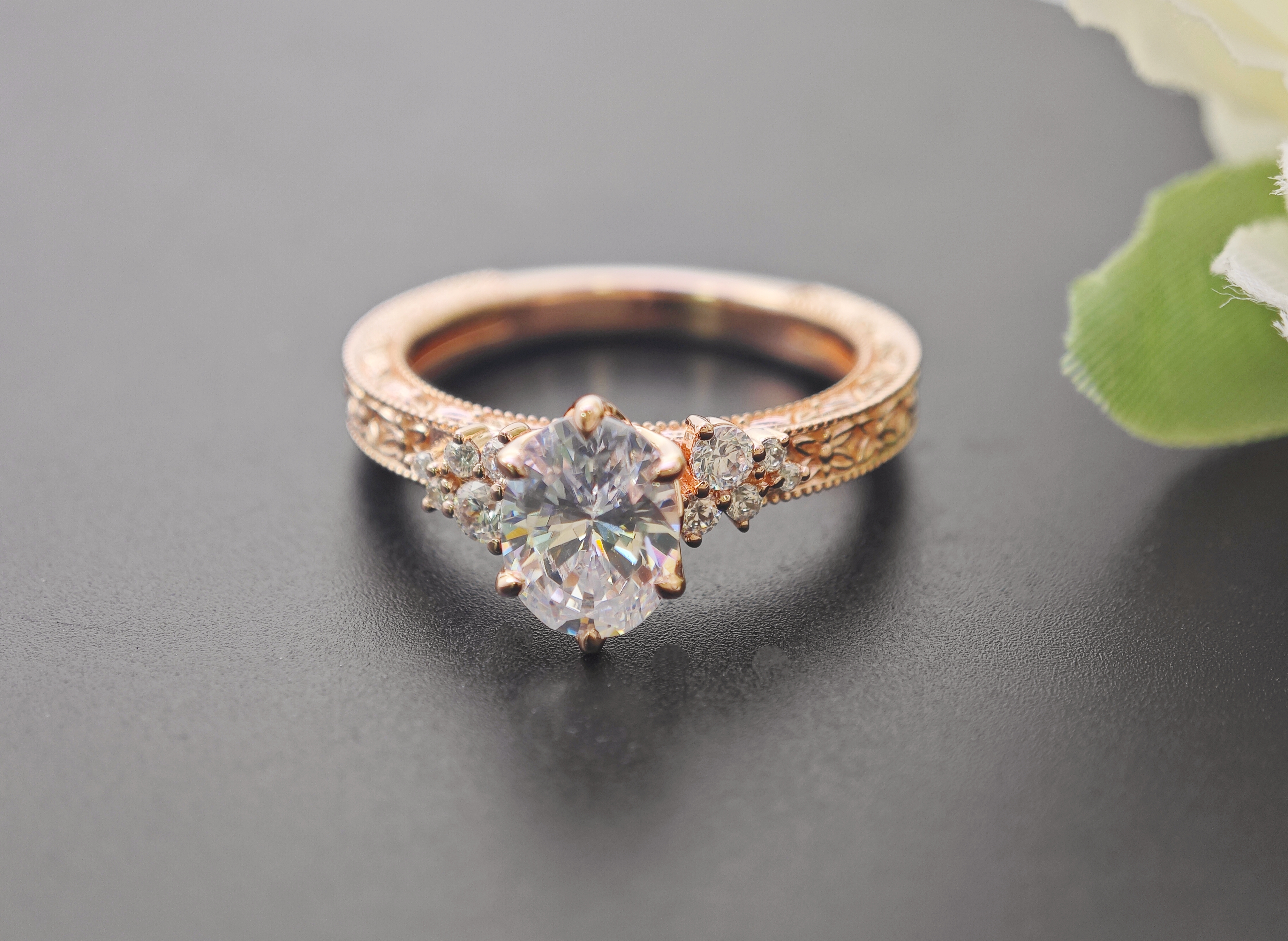
Hand-Set vs. Wax-Set: Hand-setting allows the stone to sparkle more (better fire). Mass-produced "wax-setting" (where stones are cast with the mold) often results in crooked stones or metal covering too much of the gem, dulling its shine.
Comparison at a Glance
Feature | High-End Factory | Budget Factory |
Lines | Sharp, crisp, and structural | Rounded edges, blurry details |
Tactile Feel | Silky smooth, no sharp spots | Rough edges, may feel "scratchy" |
Reflection | Clear mirror image | Hazy reflection, "wavy" surface |
Durability | Thick plating, slow to tarnish | Oxidizes quickly, turns black/green |
The Bottom Line: Jewelry is essentially 90% material and 100% craftsmanship. Those invisible labor hours and an obsession with detail are what transform a piece of metal into something that feels "expensive."


